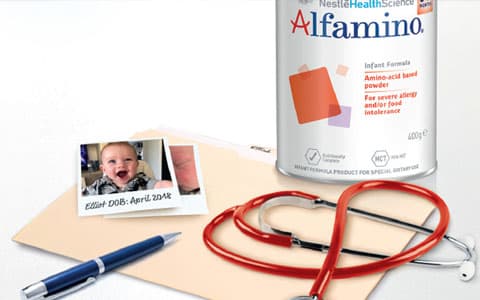
From Symptoms to Solutions: Optimising Care for Infants with suspected Cow’s Milk Allergy
Presented by Prof. Ralf Heine (Paediatric Gastroenterologist and Allergist), this session will cover how to recognise and diagnose CMA in infants, the nutritional risks of delayed diagnosis, how to distinguish CMA from lactose intolerance, and the role of tailored nutrition in supporting symptom resolution, growth, and healthy gut and immune development.
Learning Outcomes:
1. Identify the key steps in recognising and conducting diagnostic evaluations for infants with suspected Cow’s Milk Allergy (CMA)
2. Describe the nutritional risks associated with delayed diagnosis of Cow’s Milk Allergy (CMA) in infants and differentiate symptoms of CMA from those of lactose intolerance.
3. Summarise the impact of Cow’s Milk Allergy (CMA) on the gut microbiome and immune system maturation, and evaluate evidence-based nutritional interventions that support growth, symptom resolution, and promote gut and immune health in affected infants
IMPORTANT NOTICE: Breast milk is best for baby and provides ideal nutrition. Good maternal nutrition is important for preparation and maintenance of breastfeeding. Introducing partial bottle feeding could negatively affect breastfeeding and reversing a decision not to breastfeed is difficult. Professional advice should be followed on infant feeding. Infant formula should be prepared and used exactly as directed or it could pose a health hazard. The preparation requirements and cost of providing infant formula until 12 months of age should be considered before making a decision to formula feed. Mothers should be encouraged to continue breastfeeding even when their infants have cow’s milk protein allergy. If a decision to use an infant formula for special dietary use or special medical purpose product for infants is taken, it must be used under medical supervision.